Vacuum Brewed Beverage Apparatus
Revolutionary Cold Brew Coffee System - US Patent US10624491B1
Revolutionary Cold Brew Coffee System - US Patent US10624491B1
US10624491B1
June 24, 2019
October 5, 2021
A47J31/4403
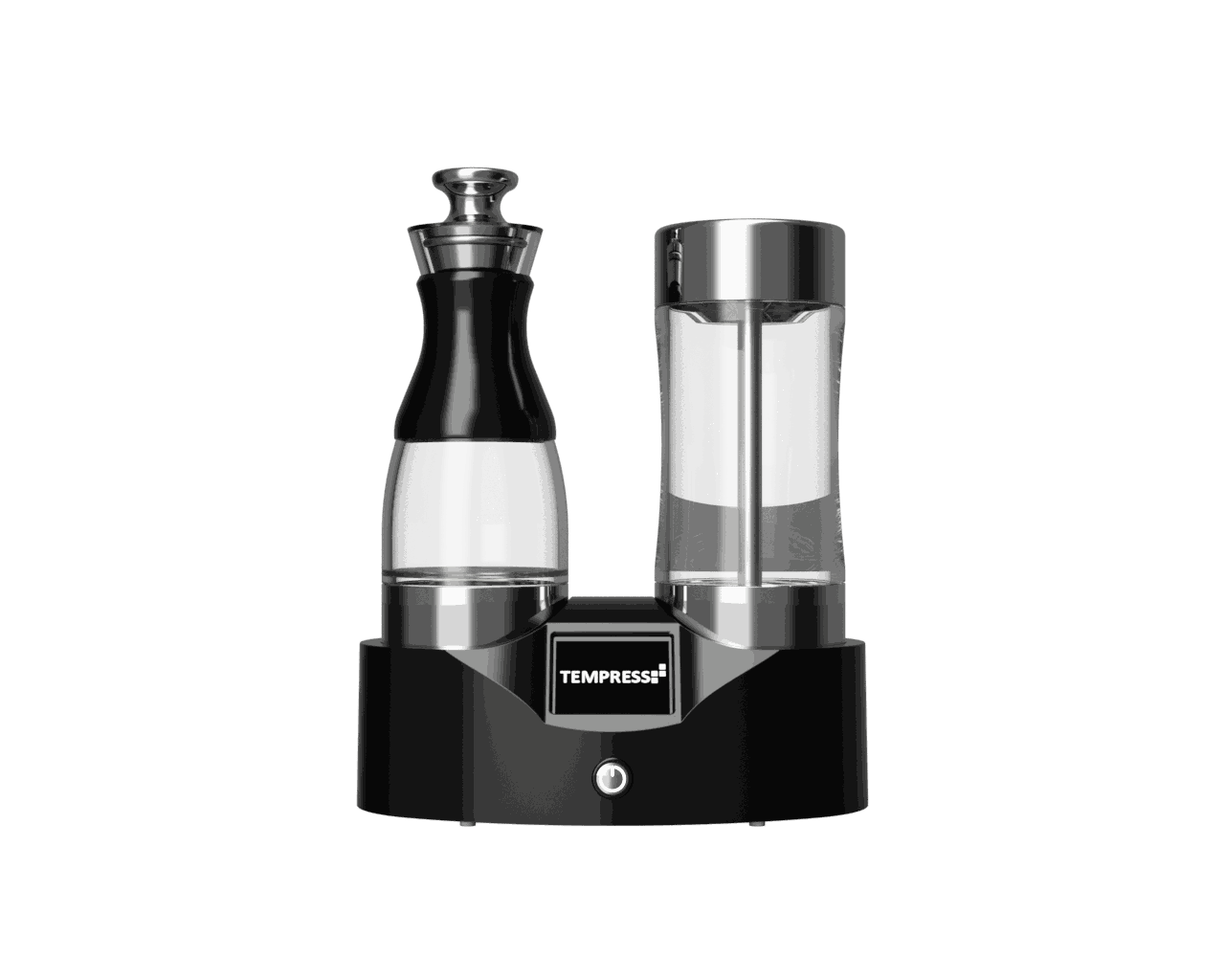
Front view rendering.
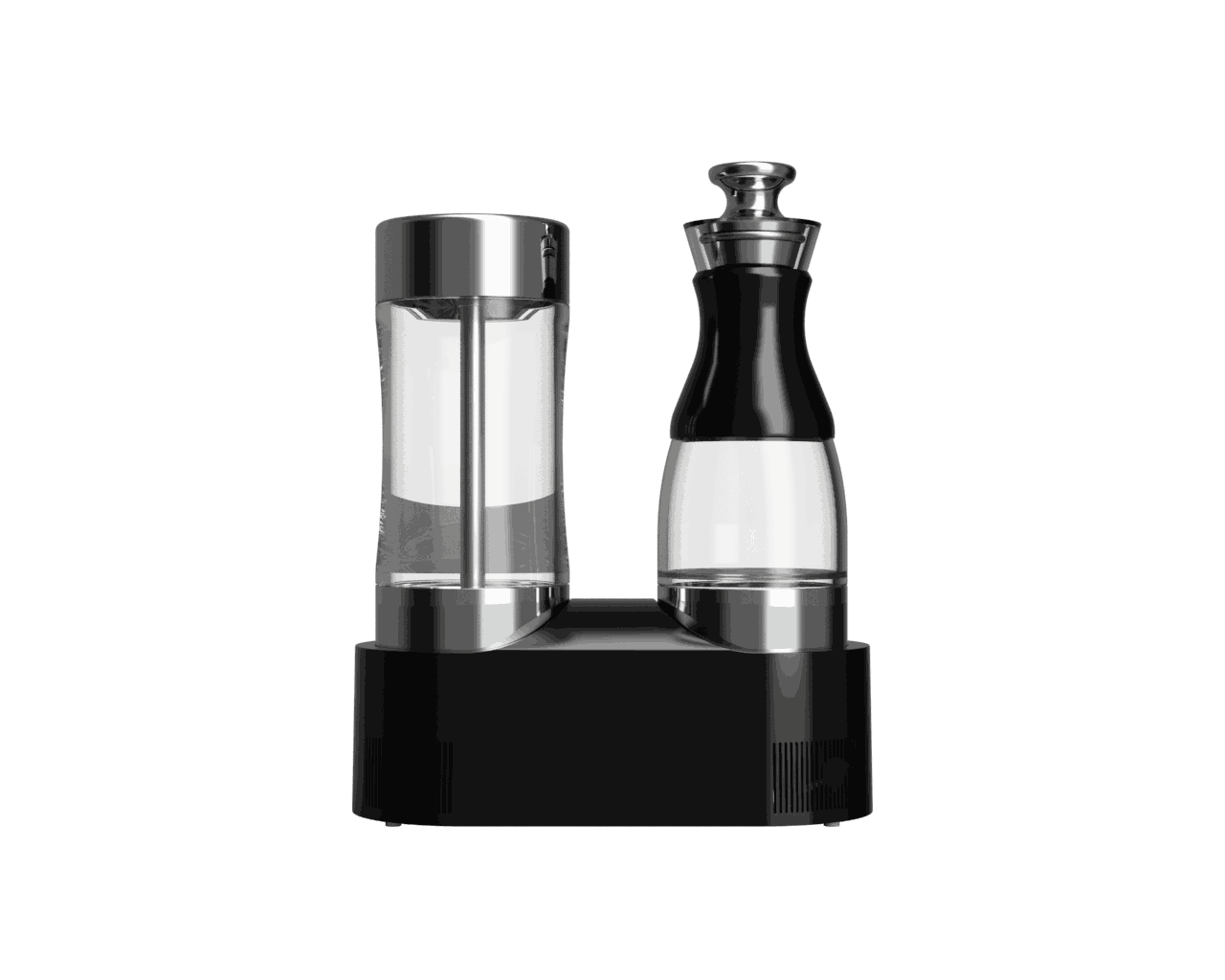
Back view rendering.
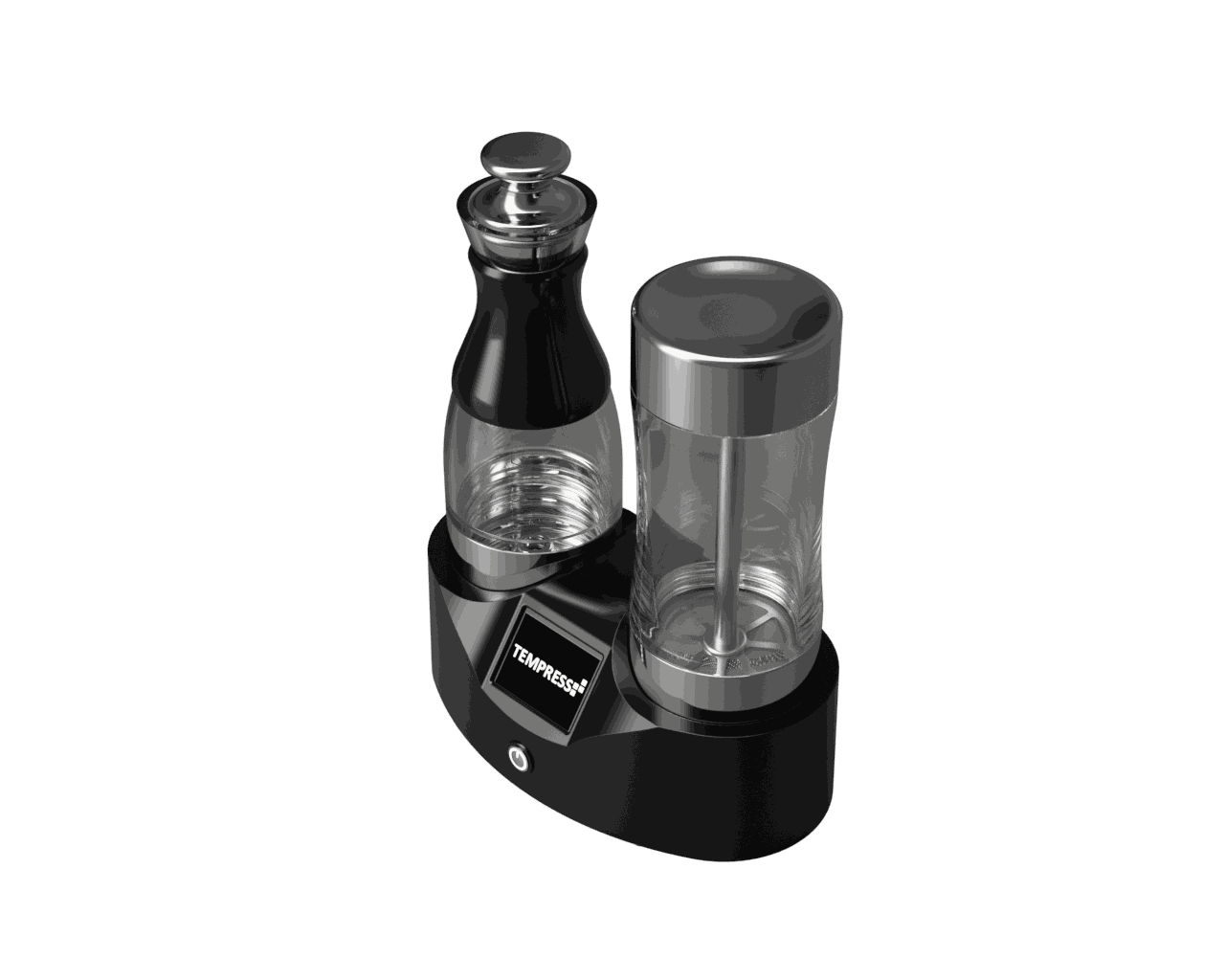
Isometric view rendering.
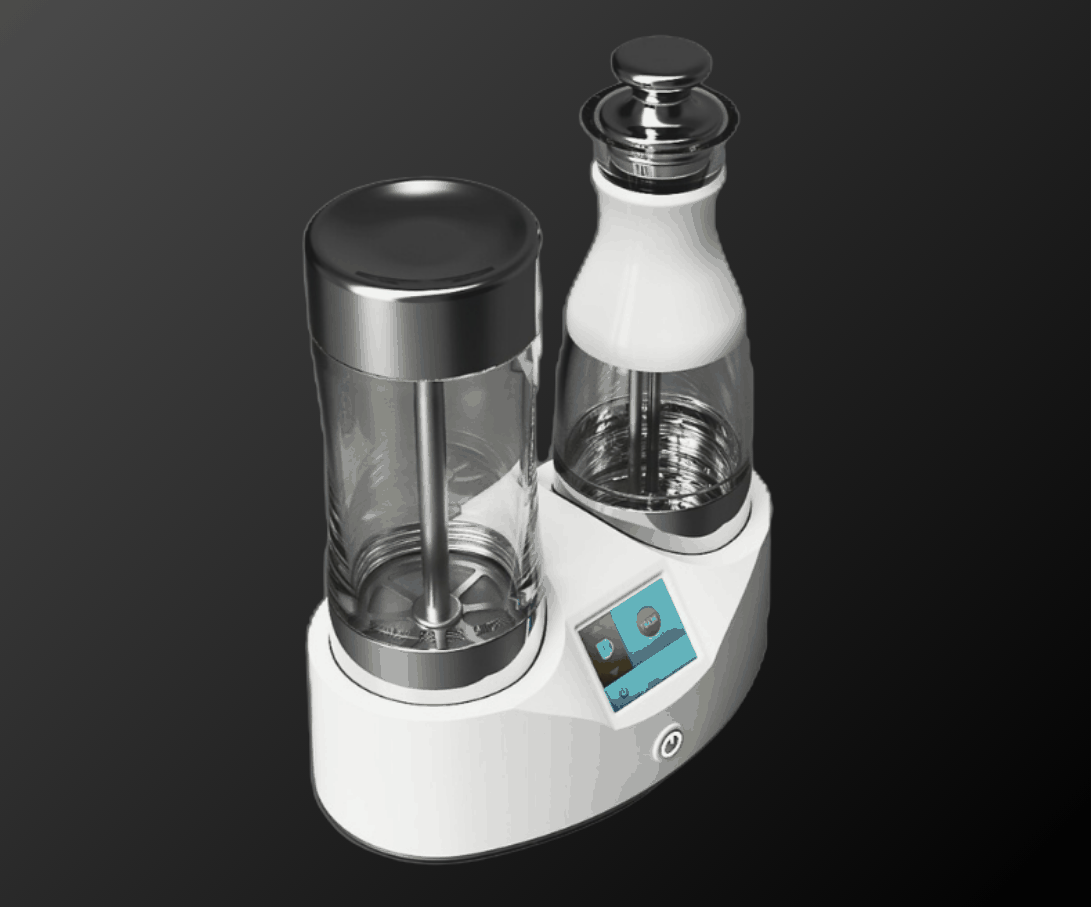
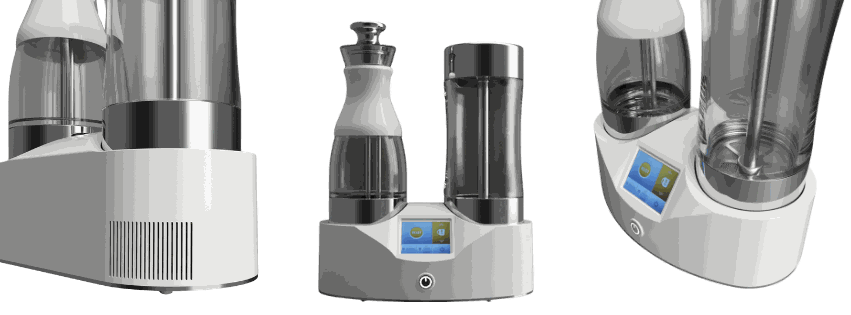
White cold brew system rendering.
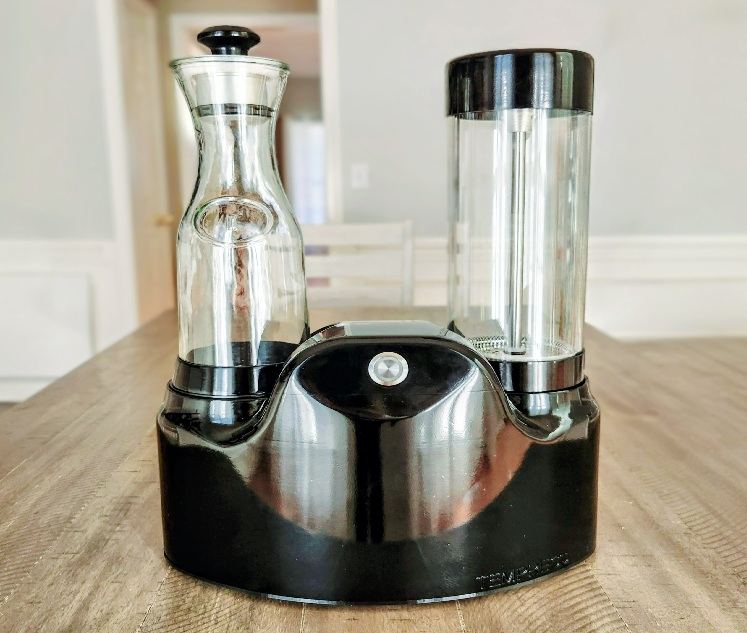
Working prototype.
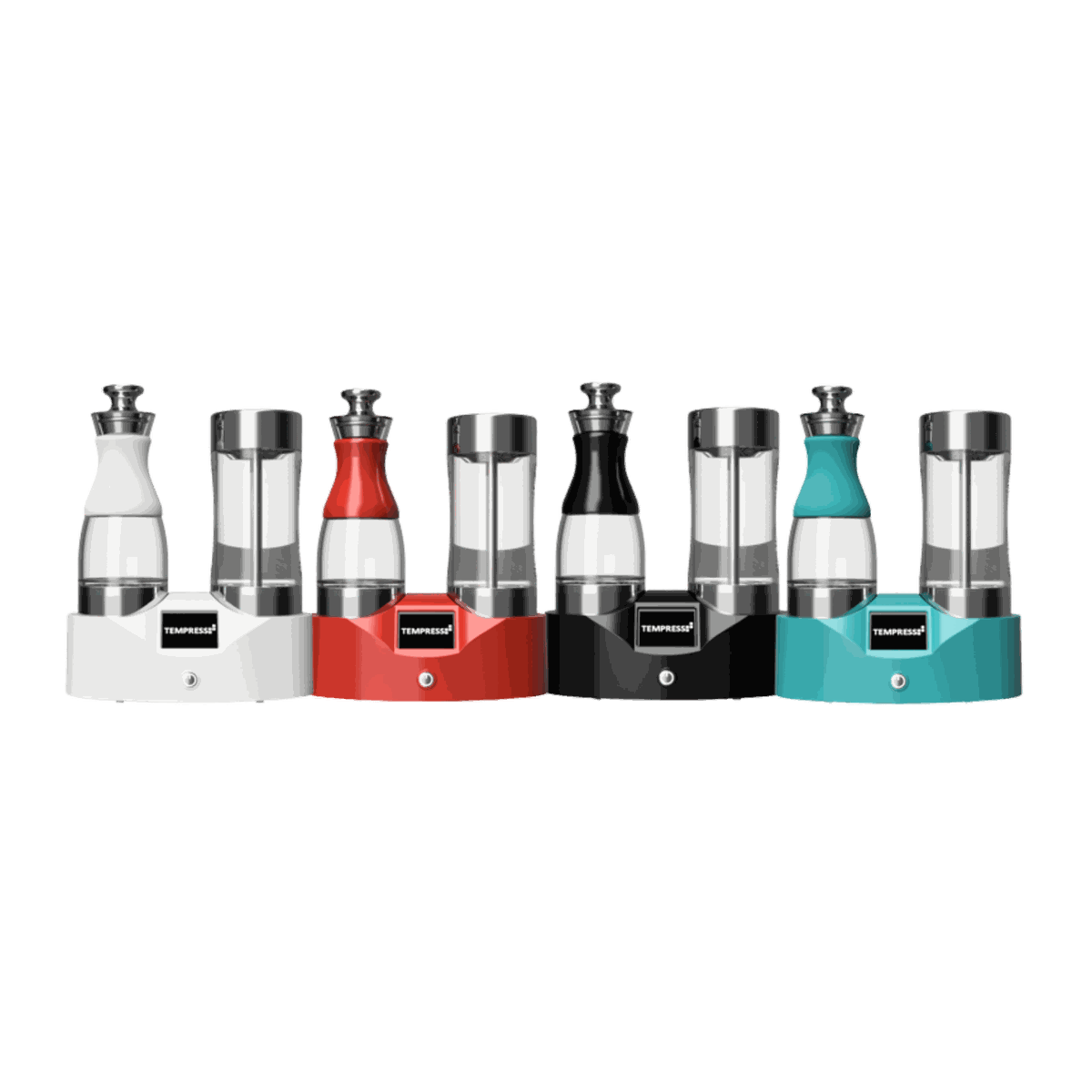
Possible color options.
A revolutionary, vacuum based, cold brew coffee brewing system that reduces brewing time from 24 hours to just 10 minutes, while maintaining superior flavor extraction and consistency over traditional methods.
Traditional cold brew coffee requires at least 12-24 hours of steeping time. I invented a vacuum extraction system that uses controlled low pressure cycles to accelerate the extraction process without compromising flavor quality. All this while using less coffee than typical cold brewing methods. This patent represents a revolution in cold brew coffee preparation.
As a frequent cold brew drinker, I was frustrated by the 24-hour wait time which made planning my coffee routine difficult. I began to explore the potential of vacuum extraction in this arena, and realized that using vacuum based systems for coffee brewing would work extremely well at saturating the grounds and shortening the brew time. By applying a strong vacuum pressure, holding until the trapped gases are removed, and then releasing the vacuum, water in submerged grounds would be forced deep into the cellular structure of the grounds. Repeating this process effectively pulls the desirable soluble material out of the grounds, yielding a delicious cup of cold brew. In building a machine that uses this approach, I created a system that maintains all the benefits of cold brew while eliminating the wait.
The development process involved extensive prototyping, testing different vacuum levels, grind sizes, and water temperatures (ice water, room temperature, and slightly warm). I built and tested numerous iterations before achieving the optimal balance of speed, flavor, and consistency. The result is a system that produces cold brew indistinguishable from 24-hour steep methods, or better, in just 10 minutes.
Reduces 24-hour process to just 10 minutes
Precise pressure control ensures uniform extraction in every batch
Enables on-demand cold brew production for cafes and restaurants
Based on fluid dynamics and pressure differential principles
Coffee grounds are loaded into the brew chamber.
A powerful vacuum pump creates controlled negative pressure, drawing water from the carafe and into the brew chamber while also drawing gases out of the grounds.
Varying pressure cycles push and pull water through the coffee grounds, maximizing flavor extraction.
Brewed coffee is filtered and collected, ready to serve in about 10 minutes
This isn't just a coffee maker—it's proof that I can identify inefficiencies in existing processes, apply engineering principles to solve them, and create patentable innovations. The same problem-solving approach I used here translates directly to product development in any industry. I don't just optimize existing designs; I reimagine what's possible.
This patent is one example of how I approach problems—with creativity, technical rigor, and a commitment to creating solutions that actually work. Let's apply this same innovation to your product challenges.